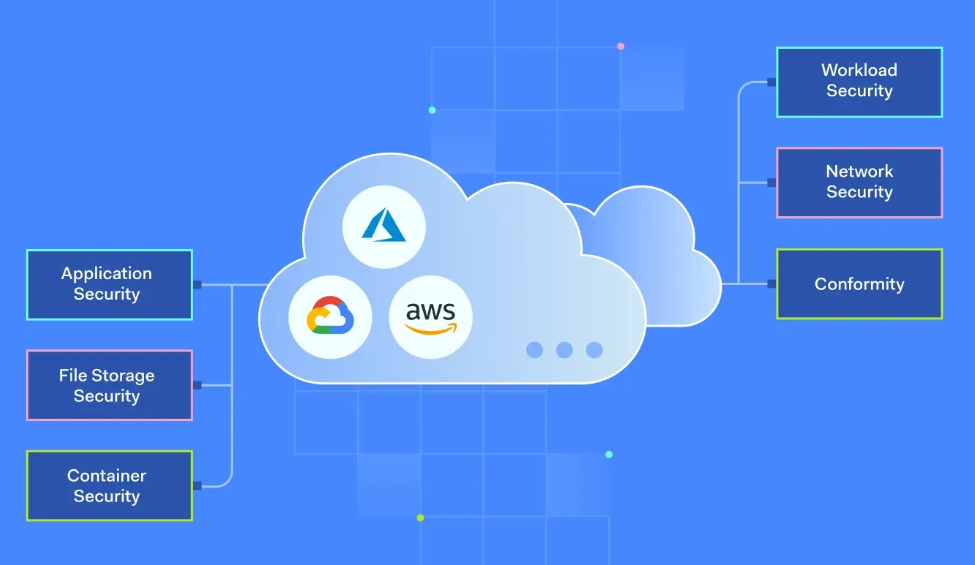
Networking underpins the functionality of cloud platforms by enabling efficient communication among distributed resources. Essential protocols like TCP/IP and HTTP/2 facilitate rapid data transfer, while advanced techniques such as optimized routing and edge computing enhance application performance. The importance of effective bandwidth management cannot be overstated, as it ensures security and scalability. Understanding these elements is vital for organizations aiming to leverage cloud capabilities effectively. What implications do these factors have for enterprise operations?
Essential Networking Technologies for Cloud Optimization
As organizations increasingly migrate to cloud environments, understanding essential networking technologies becomes critical for optimizing performance and ensuring reliability.
Effective data transfer relies on robust networking protocols that facilitate communication between cloud resources. These protocols, such as TCP/IP and HTTP/2, streamline data exchange, enhancing throughput while minimizing latency.
Mastery of these technologies empowers organizations to fully leverage the capabilities of cloud infrastructure, ensuring seamless operations.
See also: Insights and Trends From Turbogeek.org Blog for Tech and Gaming Enthusiasts
How Cloud Networking Enhances Performance and Reliability
While traditional networking methods can impose limitations on performance, cloud networking introduces advanced strategies that significantly enhance both speed and reliability.
By implementing latency reduction techniques, such as optimized routing and edge computing, and employing effective bandwidth management, cloud environments ensure efficient data transfer.
These improvements not only bolster application responsiveness but also increase overall system stability, fostering a robust infrastructure for diverse workloads.
Why Security Is Crucial for Cloud Networking
Given the increasing reliance on cloud computing for critical business operations, the importance of security in cloud networking cannot be overstated.
Effective security protocols and robust data encryption are essential to safeguard sensitive information against unauthorized access and potential breaches.
As organizations migrate to cloud environments, prioritizing security measures becomes vital to maintaining data integrity and ensuring operational continuity in a decentralized landscape.
Best Practices for Optimizing Cloud Networking Solutions
With security firmly established as a foundational element in cloud networking, organizations must also focus on optimizing their cloud networking solutions to enhance performance and efficiency.
Effective network architecture is critical, ensuring scalability and reliability. Additionally, implementing robust bandwidth management techniques helps maintain optimal data flow, reducing latency and enhancing user experience.
Together, these practices facilitate a more agile and responsive cloud environment.
Conclusion
In conclusion, networking serves as the backbone of cloud platforms, fostering seamless connectivity, enabling efficient data transfer, and ensuring robust security. By optimizing routing and employing advanced protocols, it enhances performance and reliability, while effective bandwidth management maintains system stability. As enterprises navigate the complexities of modern demands, the synergy between networking and cloud infrastructure becomes increasingly vital, creating a resilient digital ecosystem where data flows freely, applications respond swiftly, and security remains unwavering.