The corporate intelligence landscape for identifiers 912723960, 6785806914, 1302243820, 934541852, 2113332572, and 691796415 reveals significant advancements in technology integration. Companies are increasingly leveraging AI and predictive analytics to enhance decision-making capabilities. Yet, they face persistent challenges, such as budget limitations and inadequate user training. Understanding these dynamics is crucial for navigating the complexities of data utilization in a competitive environment. What strategies can organizations adopt to overcome these obstacles?
Current Trends in Corporate Intelligence
Increasingly, organizations are harnessing advanced technologies to enhance their corporate intelligence capabilities.
Key trends include a focus on data privacy, ensuring compliance while leveraging insights for market analysis.
Competitive benchmarking is becoming more sophisticated through technology integration, allowing firms to assess their position relative to rivals effectively.
This strategic approach fosters informed decision-making and promotes agility in an ever-evolving business landscape.
Challenges Faced by Companies in Data Utilization
Although data presents significant opportunities for organizations, the challenges associated with its utilization are equally formidable.
Companies grapple with data privacy concerns, necessitating stringent security measures. Additionally, effective analytics integration requires careful resource allocation, often straining budgets.
Furthermore, insufficient user training can hinder the potential of data-driven insights, leaving organizations unable to fully capitalize on their data assets and impeding strategic decision-making.
Innovations Shaping the Future of Corporate Intelligence
As organizations confront the complexities of data utilization, innovations are emerging that promise to reshape the corporate intelligence landscape.
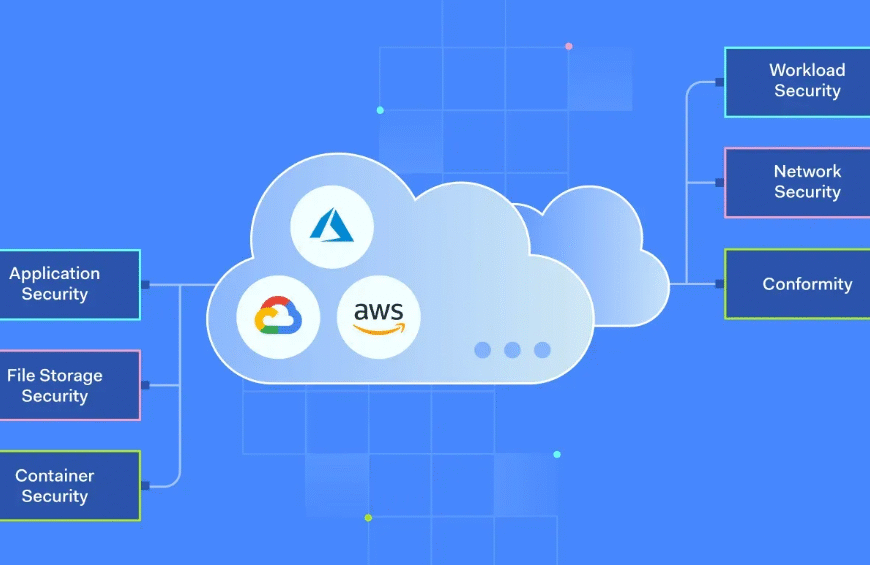
AI advancements, machine learning, and predictive analytics enhance data visualization, providing real-time insights. Automation tools streamline processes while cloud integration facilitates accessibility.
However, ethical considerations must guide these developments to ensure responsible use of technology, fostering an environment where data-driven decisions empower organizations without compromising integrity.
Key Factors for Success in the Corporate Intelligence Sector
Success in the corporate intelligence sector hinges on several critical factors that organizations must strategically navigate.
Effective competitive analysis enables firms to identify market trends and gaps, while accurate market forecasting informs decision-making processes.
Additionally, leveraging advanced technologies and fostering a culture of adaptability enhances resilience.
Ultimately, these elements combine to empower organizations to thrive in a dynamic and competitive landscape.
Conclusion
In summary, the corporate intelligence landscape for identifiers 912723960, 6785806914, 1302243820, 934541852, 2113332572, and 691796415 is evolving through advanced technologies and data-driven strategies, despite ongoing challenges. For instance, a hypothetical case study of a mid-sized retail company leveraging AI for customer insights illustrates how targeted data utilization can drive sales growth, ultimately highlighting the necessity of addressing budget constraints and workforce training to fully capitalize on data assets for competitive advantage.