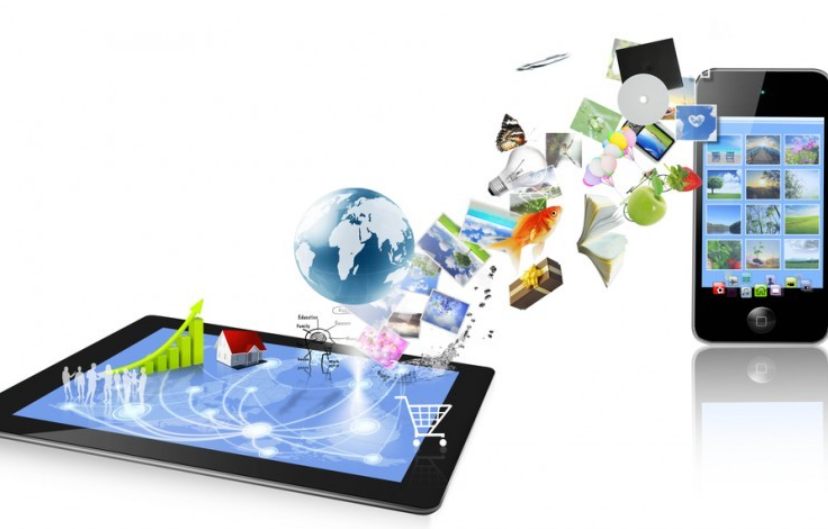
Mobile technology has fundamentally transformed how individuals access vital resources. It bridges gaps in education, healthcare, and commerce, allowing diverse populations to benefit from services previously out of reach. This shift not only enhances personal opportunities but also raises questions about the sustainability of such advancements. As mobile devices become ubiquitous, the implications for global equity and community development warrant deeper exploration. What challenges lie ahead in this rapidly evolving landscape?
Unlocking Learning: How Mobile Technology Expands Educational Access
In recent years, an unprecedented surge in mobile technology has significantly transformed educational landscapes across the globe.
This evolution fosters remote learning opportunities, enabling students from diverse backgrounds to access digital classrooms without geographical constraints.
Such advancements dismantle traditional barriers, empowering learners to pursue knowledge freely.
The integration of mobile devices in education creates a more inclusive environment, ultimately enhancing global educational access and equity.
See also: Insights and Trends From Turbogeek.org Blog for Tech and Gaming Enthusiasts
How Mobile Health Solutions Are Changing Global Healthcare
Mobile health solutions are revolutionizing healthcare delivery, mirroring the impact that mobile technology has had on education.
Telemedicine innovations enable remote consultations, enhancing access to care for underserved populations. These advancements foster greater patient engagement, empowering individuals to take charge of their health.
As mobile health continues to evolve, it promises to dismantle barriers, ensuring that quality healthcare is accessible globally.
Empowering Small Businesses Through Mobile Commerce
As small businesses increasingly adopt mobile commerce, they unlock new avenues for growth and customer engagement.
The integration of mobile payments streamlines transactions, allowing businesses to reach broader audiences effortlessly. This shift not only enhances convenience for customers but also fosters loyalty through personalized experiences.
Ultimately, mobile commerce empowers small enterprises, granting them the flexibility to thrive in a dynamic marketplace.
Addressing the Digital Divide: Key Challenges and Solutions
While the rapid advancement of mobile technology presents unprecedented opportunities for connectivity, it simultaneously exacerbates the digital divide, leaving vulnerable populations at a disadvantage.
Key challenges include inadequate internet accessibility and the high cost of affordable devices.
Solutions must focus on policy initiatives that promote infrastructure investment, partnerships with tech companies, and community programs aimed at bridging gaps, ensuring equitable access for all.
Conclusion
In summation, mobile technology serves as a significant scaffold, supporting societal shifts toward accessibility and equity. By bridging barriers in education, healthcare, and commerce, it fosters a future where underserved populations can flourish. However, the persistent digital divide poses a pressing predicament that must be addressed to ensure universal inclusion. Continued collaboration and innovation are essential to cultivate connectivity, creating a cohesive community where everyone, regardless of circumstance, can seize the abundant opportunities offered by the digital age.