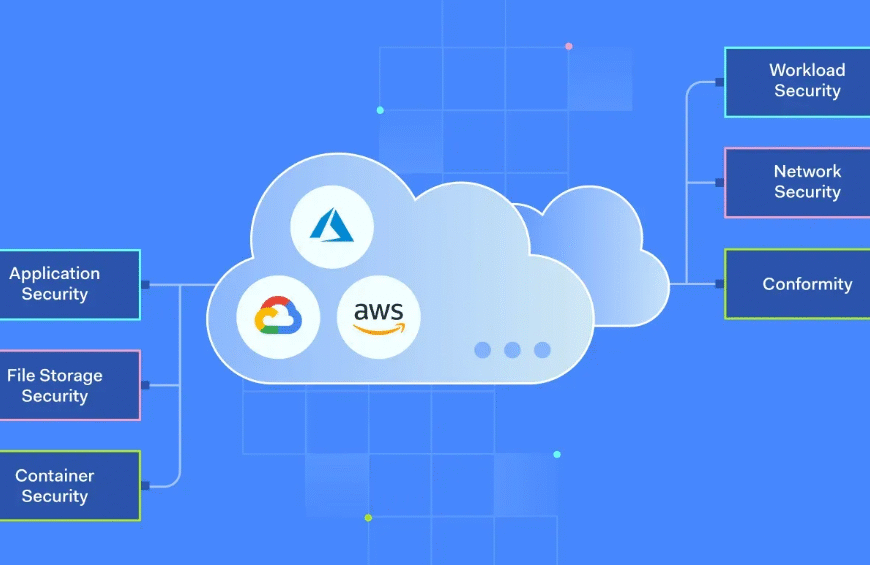
The Strategic Data Intelligence Alignment Report presents an analysis of six unique identifiers, revealing significant insights into data patterns and operational efficiencies. This report emphasizes the critical role of accurate data in enhancing decision-making and governance frameworks. It raises pertinent questions about the implications of these findings for organizations seeking to improve transparency and adaptability. As stakeholders consider the potential benefits, the report invites a closer examination of strategies that could drive operational success.
Overview of Strategic Data Intelligence
As organizations increasingly recognize the value of data as a strategic asset, understanding the principles of strategic data intelligence becomes essential.
This includes leveraging data visualization techniques to present insights clearly and utilizing predictive analytics to forecast trends effectively.
Analysis of Unique Data Identifiers
The effectiveness of strategic data intelligence relies significantly on the accurate identification and management of unique data identifiers.
Analyzing these identifiers reveals essential data patterns, highlighting their identifier significance. Each unique identifier serves as a pivotal anchor, enabling organizations to discern connections and trends within vast datasets.
This clarity fosters informed analysis, empowering stakeholders to harness data strategically for enhanced operational autonomy and insight.
Implications for Decision-Making and Governance
While effective decision-making hinges on access to accurate data, the implications of data intelligence extend profoundly into governance frameworks.
Enhanced data insights refine decision frameworks, allowing for adaptive governance models that respond to evolving challenges.
This alignment fosters transparency and accountability, empowering stakeholders to make informed choices, ultimately promoting a governance culture that values freedom and innovation in the decision-making process.
Strategies for Enhancing Operational Efficiency
Enhancing operational efficiency requires a systematic approach that integrates data intelligence into every facet of organizational processes.
By prioritizing process optimization, organizations can streamline workflows and reduce redundancies.
Effective resource allocation ensures that assets are utilized strategically, maximizing output while minimizing waste.
These strategies collectively foster an environment conducive to innovation and adaptability, empowering organizations to respond swiftly to market demands and enhance overall performance.
Conclusion
In conclusion, the Strategic Data Intelligence Alignment Report highlights the necessity of harnessing unique identifiers to drive informed decision-making and enhance governance frameworks. As organizations navigate the complexities of a rapidly changing market, adopting data-driven strategies becomes paramount. By viewing data as the lifeblood of operational efficiency, stakeholders can not only adapt but thrive, ensuring they remain ahead of the curve. Ultimately, this approach fosters a culture of continuous improvement, turning insights into actionable outcomes.